Flour Power: We Ranked Every Naan on the Takeaway Menu So You Don't Have To
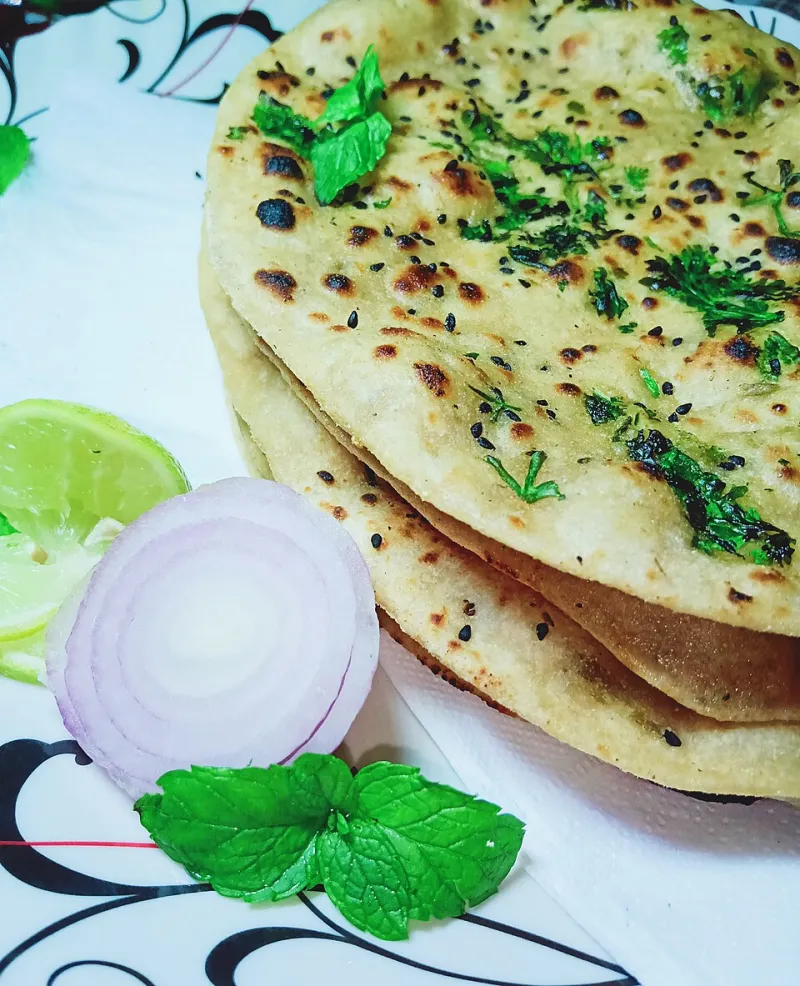
Photo: Soumyasmita Mallick, CC BY-SA 4.0, via Wikimedia Commons
There comes a point in every small kitchen's life when the staff room argument gets so heated that the only sensible option is to publish the results. Ours came last Tuesday, when a debate over whether Keema Naan is 'just a fancy pitta' nearly ended a fifteen-year friendship between two of our chefs.
So, in the spirit of peace (and mild workplace retaliation), we present the official Little Miss India Naan Chart. Judged on flavour, versatility, dip-capacity and sheer joy delivered per square inch. Disagree? Good. That's what the comments are for.
S Tier: The Legends
Garlic & Coriander Naan. The undisputed monarch. Buttery, pungent in the best possible way, and structurally engineered for tearing. It pairs with literally everything, but it was born to mop up a rich lamb bhuna. If aliens landed tomorrow and asked what British-Indian cuisine was all about, we'd hand them one of these and a takeaway box.
Keema Naan. Yes, it's naan with minced lamb hidden inside it, like a delicious secret. It's a main course disguised as a side, and we respect the hustle. Best mate: a cooling saag paneer, so the bread does the heavy lifting on flavour.
A Tier: Excellent, With Caveats
Plain Naan. The quiet hero. Nothing to prove, nothing to hide. It's the bread equivalent of a good cuppa — unfussy, dependable, always there when the curry gets spicy and your mouth needs a truce. Perfect alongside a madras when you've overestimated your chilli tolerance (we've all been there, no judgement).
Cheese Naan. Molten, stretchy, faintly ridiculous. It's technically a side dish having an identity crisis as a dessert, and honestly? We're here for it. Pair with a dhansak and thank us later.
B Tier: Brilliant, But Divisive
Peshwari Naan. Put the pitchforks down. Yes, it's sweet. Yes, it's stuffed with coconut, almonds and sultanas like a biryani that wandered into a Christmas pudding. But the Peshwari is the most misunderstood bread on the menu, and we're formally entering its defence.
The sweetness isn't a bug — it's a feature. Against a fiery vindaloo or a punchy chicken tikka masala, that coconutty richness is doing genuine work, calming the burn and adding contrast the way mango chutney does for a poppadom. The people who mock the Peshwari are the same people who put korma eaters down, and we've already written about them. Eat what you love. Life is short and naan is finite.
C Tier: Fine, But Why?
Chilli Naan. We admire the ambition. We question the execution. Chilli naan is basically garlic naan that's had a bad day, and it tends to fight with your curry rather than complement it. If your bread is spicier than your bhuna, one of you needs to have a word with yourselves.
Pitta / 'Just Get a Wrap' Territory. Look, it does a job. But ordering pitta with a lamb rogan josh is like bringing a squash drink to the pub. Life offers you naan. Take the naan.
The People's Verdict
Here's the thing about our chart: it's wrong, and we know it. Every household in Britain has its own ranking, forged over years of Friday nights, rainy Tuesdays and that one time someone ordered eleven poppadoms by accident.
So tell us — are you Team Peshwari or Team Garlic? Is keema naan a side or a personality? Drop your defence in the comments. The kitchen staff are still arguing, and frankly, we could use the backup.