The Dinner Party Confession: Why 'I Ordered In' Is the New Flex
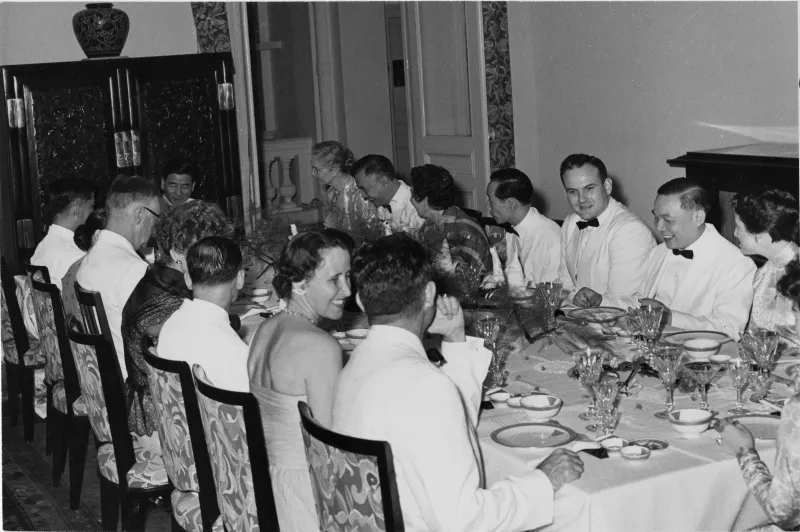
Photo: Arthur Z. Gardiner, Public domain, via Wikimedia Commons
Let's address the elephant (or perhaps the tandoor) in the room: nobody has ever left a dinner party raving about the host's rice. They remember whether the food was brilliant, whether there was plenty of it, and whether the host looked relaxed enough to pour them a second drink.
That's it. That's the whole game.
So let's retire the notion that a good host must emerge from the kitchen at 8pm, slightly singed, muttering about garam masala. The truly savvy host — the one with a full table, a clean kitchen and a smug little smile — ordered in. Here's how to do it properly.
The Golden Rule: Order Like a Strategist, Not a Hungry Person
The single biggest mistake curry night hosts make is ordering at 7:45pm while already hungry. Hunger ordering is how you end up with four vindaloos, no rice and a paneer situation nobody can explain.
Instead, plan the night before. A well-balanced spread for six people should look something like this:
- Three mains — one crowd-pleaser (a butter chicken or chicken tikka masala), one with a bit of backbone (a lamb rogan josh or bhuna), and one vegetarian stunner (saag paneer or a chana masala)
- Two starters minimum — samosas, pakoras and onion bhajis are the opening act that keeps everyone civil while the mains arrive
- One rice per two people, plus a naan per person (this is not negotiable; naan shortage causes incidents)
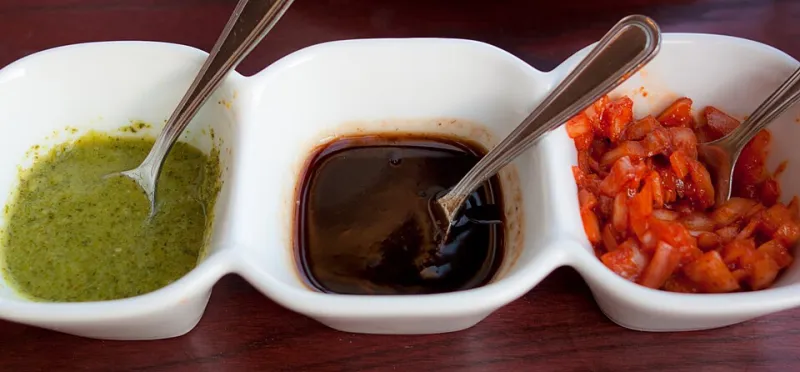
- Poppadoms, chutneys and raita — the diplomatic corps of the curry world
Plating: The Great Deception
Now for the fun part. Takeaway containers are honest, but they don't exactly whisper 'effortless elegance'. Twenty minutes of theatre fixes everything.
Decant the curries into your nicest dishes — anything ceramic, anything with a lid, anything your aunt bought you that you never use. Scatter a few coriander leaves over the top like you've been doing it for years. Warm the naan in the oven for five minutes; it makes an astonishing difference and costs you nothing.
Serve the poppadoms before anyone sits down, with the chutneys arranged on a board. It looks deliberate. It looks like a concept.
And the rice? Fluff it with a fork, put it in a big bowl, and nobody — and we mean nobody — will ask where it came from.
Portion Maths for the Anxious Host
UK curry houses are generous, but groups are hungry. As a rule of thumb:
- One main serves two people generously if you've got three or four dishes on the go
- Two sides (say, a bombay aloo and a sag aloo) stretch everything further and make the table look abundant
- Order one extra naan beyond what seems reasonable. Trust us on this.
Leftover curry, as we've said before on this very site, is arguably better the next day anyway. Ordering slightly too much is not a mistake; it's investing in Sunday lunch.
The Confession Moment
Here's the thing about your guests: they will know. The naan will be too good, the sauce too glossy, the whole operation too smooth. Someone will ask, and this is where you have options.
You could mumble something about a 'family recipe'. We can't in good conscience recommend this — someone always asks for the recipe, and then you're writing down 'rang a very nice man named Raj' on a napkin.
Or you could own it. 'I ordered from Little Miss India, and honestly? Best decision I've made all year.' Watch the relief wash over the room. Suddenly everyone's confessing their own takeaway habits, the pretence dissolves, and the evening gets properly good.
Because that's the real secret of hosting: the food matters, but the atmosphere matters more. A host who's relaxed, fed and not elbow-deep in the dishwasher at 9pm is worth ten hosts with flour on their aprons.
So this weekend, set the table, chill the drinks, pick up the phone — and take all the credit. We won't tell a soul. Well, except in this article, which you've presumably read, so it's a bit late for that.