Two Rices, One Bhuna and a Packet of Regret: Getting Your Curry Order Maths Right
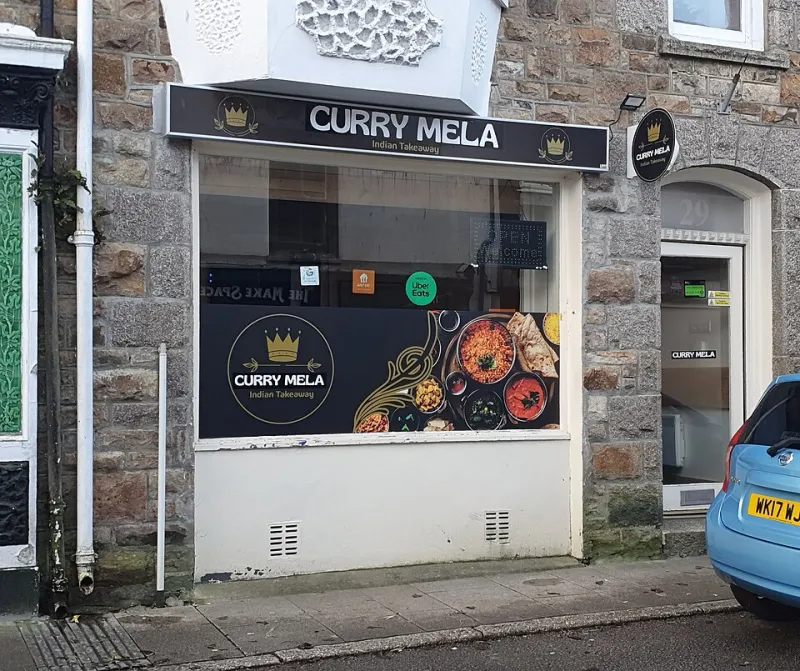
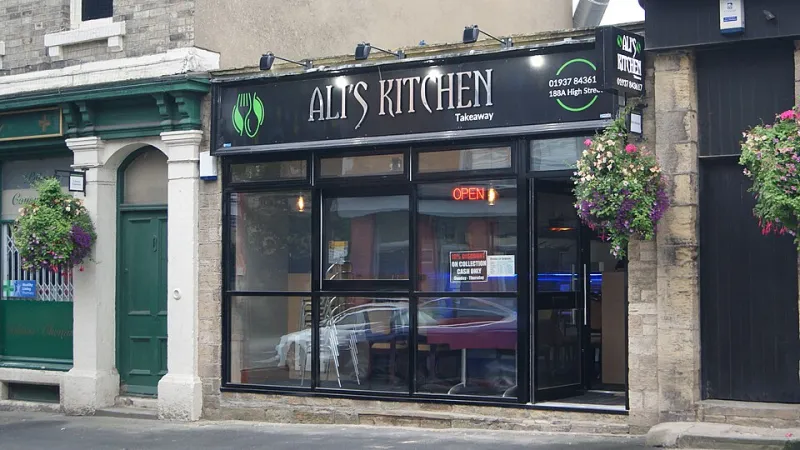
Photo: Mutney, CC BY 4.0, via Wikimedia Commons
We've been running a small kitchen for a while now, which means we've seen every conceivable combination of curries, rices and breads pass over the counter. And we've noticed a pattern so consistent it could be taught in schools: nobody — and we mean nobody — knows how much food to order.
It's not your fault. Curry night is an emotional experience. You're hungry, you're optimistic, and the menu is a buffet of temptation. But somewhere along the line, a national myth took hold: that every adult requires their own individual pilau rice, as if rice were a personal item, like a toothbrush.
The Rice Situation: A Confession From the Pass
Here's what happens in our kitchen on a typical Saturday. A family of four orders four curries and four rices. The curries arrive, bubbling and glorious. And then we watch — through the little window, metaphorically speaking — as those four rices are barely touched.
Why? Because a standard takeaway rice is roughly 300 grams of cooked grains, and a good curry is a sauce delivery system. The sauce does the heavy lifting. One rice between two people is usually plenty, especially when there's bread involved (and there should always be bread involved).
The maths is simple once you're honest with yourself:
- 2 people: one rice, one naan
- 3–4 people: two rices, two naans
- 5–6 people: three rices, three naans, and stop before you hit four
If you're ordering a biryani, that's rice built in. Adding a pilau on the side is like ordering chips to go with your jacket potato. We won't judge you — we've done it ourselves after a long shift — but let's call it what it is.
Saag Aloo: The Hardest Working Spud in Showbusiness
Now, let's talk about the true scandal of the British curry menu: the side dish demoted to a bit-part player.
Saag aloo — that magnificent marriage of spinach and potato, laced with cumin and garlic — spends its life listed under 'Sides', as if it were a supporting act. Nonsense. We'd argue it deserves main-course billing. It's hearty, it's genuinely good for you (your doctor would weep with joy), and it mops up a dhansak like it was born for the job.
The same goes for its unsung cousins:
- Bombay aloo — the crispy-edged crowd-pleaser
- Chana masala — protein-packed and proud
- Tarka dal — silky, smoky, and frankly more comforting than half the mains
The trick is to stop thinking of sides as extras and start thinking of them as the glue of the table. A spread of two mains, two sides and one shared rice feeds four people better than four mains and four rices ever will — and it costs less, which your bank app will thank you for.
The Little Miss India Portion Calculator
Pin this to the fridge. We won't tell anyone.
For each adult: one curry (medium portion if offered), half a rice or half a naan
For each child: half a curry (korma is the gateway drug, no shame), a few poppadom shards, one onion bhaji to fight over
Per table, regardless of headcount:
- One saag aloo or Bombay aloo (trust us)
- One tarka dal if anyone at the table has had a week
- One portion of poppadoms with all three dips — yes, all three, this is not the time for chutney politics
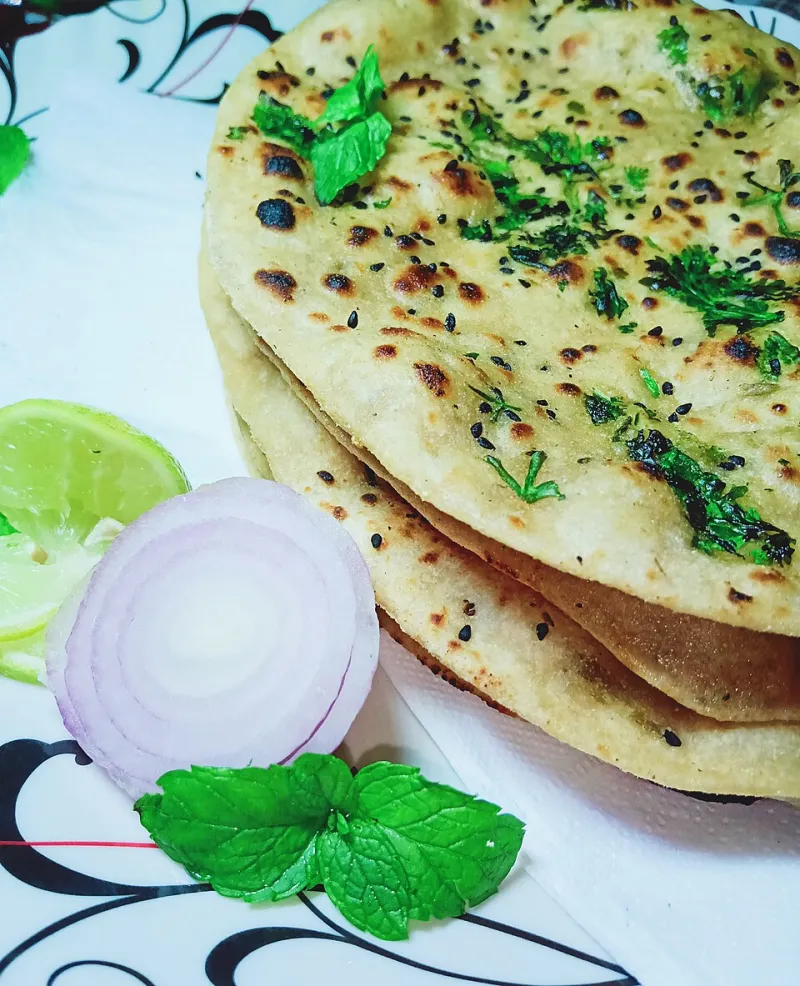
- One naan per two people, minimum, and if there's a peshwari in the house, guard it
The golden rule: if your order has more rices than people who will actually finish a rice, close the app and step away. You can always order more. Nobody has ever starved waiting for a second naan.
Why We Care (Besides the Obvious)
Part of it is self-interest, sure — we'd rather send out food that gets devoured than tubs that go sad and grey in the fridge by Tuesday. But mostly, it's because a well-planned curry night is a small piece of theatre. Six dishes on the table, everyone reaching, someone hoarding the pickle tray, grandad declaring the dal 'better than mine' (it isn't, but he's being gracious).
That's the whole point of ordering in. Not mountains of food — the right food, in the right amounts, with a side or two stealing the show.
So next time you're building your basket, do the maths, give saag aloo its moment, and leave the double-rice myth where it belongs: in the bin, next to last week's untouched pilau.
Your future self — the one eating cold curry at midnight with zero regrets — says thank you.