A Sandwich Filling Walks Into a Palace: The Strange Royal Life of Coronation Chicken
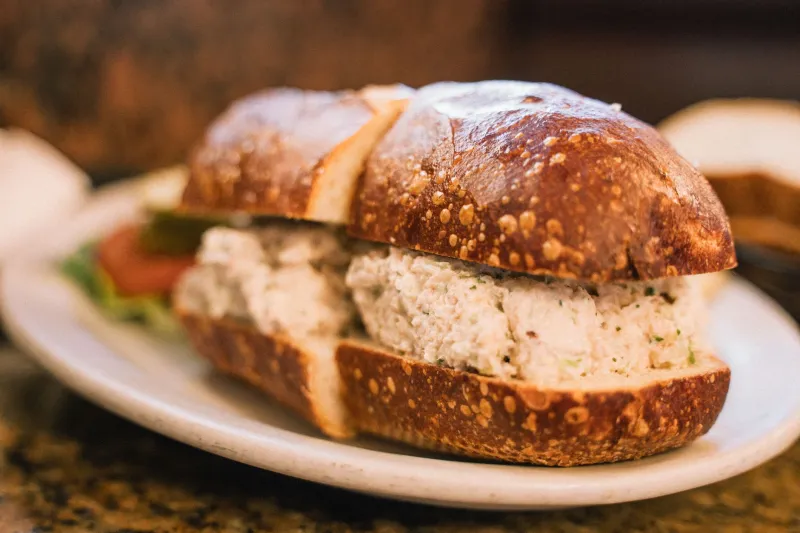
Every British menu has a gatecrasher. It sits there between the samosas and the proper curries, wearing a jaunty little apron made of mayonnaise, pretending it belongs. We're talking, of course, about Coronation Chicken — the cold chicken-and-curry-powder-in-cream concoction that has somehow survived seventy years of British picnics, sandwich counters and garden parties.
And here's the thing: we're not even angry about it. We're just fascinated. Because the story of Coronation Chicken is really the story of how Britain decided what 'Indian food' was — and got it gloriously, magnificently wrong.
A Royal Lunch With a Colonial Hangover
In 1953, florist Constance Spry and cookery writer Rosemary Hume were tasked with feeding 350 foreign dignitaries at the coronation luncheon of our late Queen Elizabeth II. Their solution? Cold chicken dressed in a sauce of mayonnaise, apricot purée, a splash of sherry, and — brace yourselves — two tablespoons of curry powder.
Two. Tablespoons.
That's it. That's the 'Indian' part. The dish was actually a soft reboot of Poulet Reine Elizabeth, a 1935 recipe created for the silver jubilee of King George V, which itself drew on the colonial-era habit of chucking a hint of 'curry powder' at European cooking and calling it exotic.
The result was less Delhi, more Downton Abbey. A dish that tastes like India as described by someone who has never been to India, but did once see a photo of a spice tin.
How One Sandwich Filling Defined a Nation's Curry Idea
Here's where it gets properly interesting. Coronation Chicken wasn't just a one-off — it was part of a long British tradition of Anglo-Indian hybrids that colonised the national idea of 'curry'.
Kedgeree. Mulligatawny soup. Chicken à la King's slightly spicier cousin. These were dishes built in British kitchens, often by returning colonial administrators or their cooks, using whatever spices happened to be knocking about. They were adaptations, then translations, then outright inventions — and yet for generations, this is what millions of Britons believed Indian food tasted like.
Coronation Chicken's DNA is visible everywhere once you start looking. That sweet-and-creamy, mildly-spiced profile? It's the same taste logic that makes people order a korma 'extra mild, please, and is the mango chutney free?' The dish didn't just confuse the curry menu — it set the thermostat for decades of British spice tolerance.
And we say this with love, because our own menu's milder dishes exist precisely to meet people where they are. But there's a difference between a gently-spiced, carefully-built dish like a proper korma — almonds, yoghurt, patience — and cold chicken in curried mayo with sultanas in it. One is cuisine. The other is a sandwich filling with a knighthood.
The Taste Test: Coronation Chicken vs Chicken Tikka
Naturally, we couldn't write this article without settling it scientifically. So we convened a very serious panel in our kitchen (two chefs, one delivery driver, and a reluctant teenager) and put Coronation Chicken head-to-head against our chicken tikka.
Round one — aroma. The Coronation Chicken smelled like a garden fête. Pleasant! Wistful! Also faintly of a 1980s buffet. The chicken tikka smelled like a tandoor that means business: charred edges, ginger, garlic, a whisper of smoke.
Round two — texture. Cold and creamy versus hot and charred, with that glorious contrast of crisp exterior and juicy interior. The teenager voted with her fork before we'd finished the sentence.
Round three — soul. And this is the crux. The Coronation Chicken tasted fine. It's a perfectly decent picnic dish — Constance Spry knew her way around a luncheon. But the tikka tasted like somewhere. Like fire, marinade, time. You can't get that from two tablespoons of curry powder and good intentions.
Final score: 4–0 to the tikka, with one panelist requesting a takeaway menu on the way out.
What to Order Instead (If You Fancy the Real Thing)
Look — if you love a Coronation Chicken sarnie, we're not here to take that from you. Some of our best friends eat Coronation Chicken. But if your only experience of 'Indian flavour' is that curried mayo profile, your palate is in for a treat, because the genuine article is so much more interesting:
- Chicken Tikka — the gateway dish. Marinated overnight, fired in the tandoor, simple and smoky. No mayonnaise involved, we promise.
- Chicken Dhansak — lentils, tamarind, a proper depth of flavour. Sweetness in Indian cooking comes from fruit and spice, not apricot purée in a jar.
- A proper Korma — creamy, yes, but built on ground almonds, cardamom and slow cooking. Mild doesn't mean boring; it means balanced.
- Chaat — if you like the sweet-sour-tangy thing Coronation Chicken is reaching for, chaat does it properly, with tamarind, yoghurt and crunch.
The pattern you'll notice: real Indian cooking is about layers — spice bloomed in oil, marinades that work overnight, sauces that simmer until they make sense. It's warmth and complexity, not a single spoonful of powder stirred into a condiment.
Long Live the Queen (of Sandwich Fillings)
We'll admit it: there's something endearing about Coronation Chicken's stubborn survival. Seventy years on, it outlived most of the buffet dishes it debuted alongside. It's a piece of British food history — just not quite the history it claims to be.
So here's our verdict: let Coronation Chicken keep the picnics. It's earned them. But the curry menu? That belongs to the tandoor, the spice tin, and dishes that didn't need a palace to be royal.