In Defence of the Korma Eater: Spice, Ego and the Great British Curry Complex
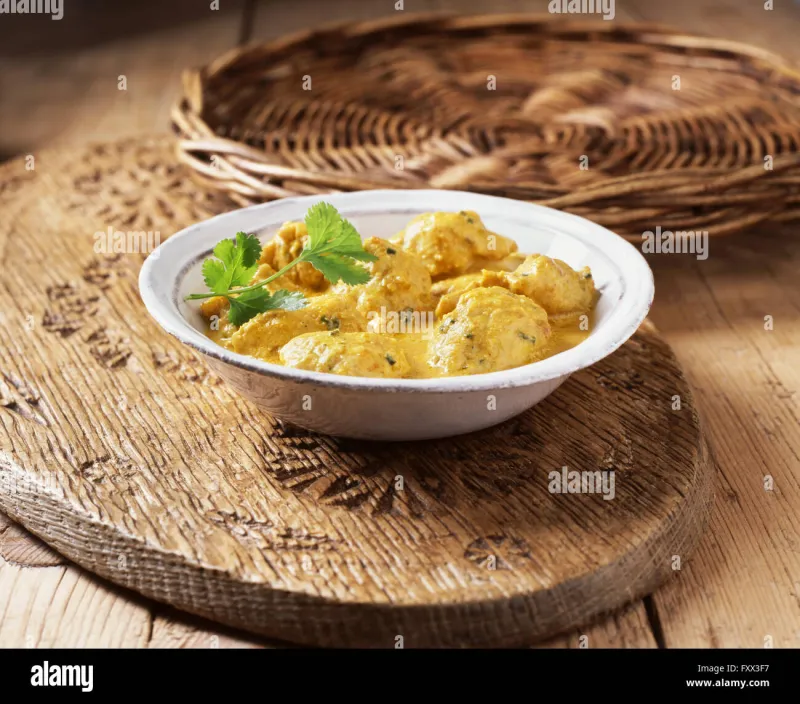
Photo: korma curry bowl cream garnish restaurant, via c8.alamy.com
Every curry house in Britain has one. You know the one. The bloke — it's nearly always a bloke — who orders a phall 'extra hot, chef, I can handle it', then spends the next forty minutes sweating through his shirt while his friends film it for the group chat.
We love him. We worry about him. And mostly, we'd like to have a gentle word about how he got this way.
Because here's the truth the spice bravado lobby doesn't want printed: heat is a flavour tool, not a personality test. And the history of how Britain turned chilli tolerance into a measure of character is, frankly, a bit silly.
How Britain Built a Macho Spice Ladder
When curry houses took root across the UK in the mid-twentieth century, the menus were adapted for a post-war palate that found even a madras adventurous. Mild, medium and hot were the whole conversation.
Then something shifted in the 1970s and 80s. The vindaloo — a dish that, in its Goan origins, was a vinegary pork curry, not a weapon — got repurposed as the ultimate lad-culture endurance test. Football chants adopted it. Pub culture adopted it. Suddenly, asking for a korma felt like asking the bartender for a shandy in a room full of bitter-drinking uncles.
The phall and the tindaloo arrived as pure theatre — dishes engineered less for flavour than for bragging rights. Somewhere in all this, we lost the plot: the point of dinner is enjoyment, not proving something to strangers.
What Heat Actually Does (According to People Who Know)
Here's the science bit, and it's genuinely useful. The burn you feel comes from capsaicin, which triggers your body's heat sensors rather than actually damaging anything. Crucially, capsaicin carries no flavour of its own.
In skilled Indian cooking, chilli is one instrument in an orchestra. Cumin, coriander, cardamom, turmeric, fenugreek, tamarind — these are the flavours. Heat, used well, is a highlight. Used excessively, it's a foghorn drowning the entire concert.
Which means the person who orders a korma and actually tastes the cardamom, the almond, the slow-cooked cream? They're having a better culinary experience than Mr Phall, who is having a medical event.
The Little Miss India Spice Thermometer
Right, practical matters. Here's our honest guide to where dishes sit on the heat scale — use it without shame.
Gentle (your nan would approve): Korma, malai, pasanda. Creamy, aromatic, welcoming.
Mild with a wink: Butter chicken, chicken tikka masala, dopiaza. A whisper of warmth, plenty of flavour.
Medium (the sensible middle): Rogan josh, bhuna, madras. Present and pleasant, like a good British summer.
Properly warm: Dhansak, pathia, jalfrezi. Sweet-sour heat, or heat with attitude depending on the dish.
Bringing the big coat: Vindaloo, phall. You know what you're doing. Please order a lassi.
Order What You Like. Full Stop.
Here's our position, stated plainly: the most confident order on any menu is the one you actually want. Ordering a vindaloo you'll regret is people-pleasing with extra steps. Ordering a korma because it's delicious? That's self-knowledge. That's sophistication.
Besides, the spice snobs are having the last laugh done to them — ask any chef and they'll tell you the dishes that showcase real skill are the layered, balanced ones, not the ones that taste like a dare.
So next Friday, order the korma with your head held high. Order the madras because it's Tuesday-appropriate. Order the phall if you genuinely love it — not for the camera.
Your taste buds have been telling you the truth all along. It's the group chat that's been lying to you.